Your child does 3-digit sums in their head by Level 4.
Abacus and mental arithmetic for children aged 5 to 14. Two classes a week, eight children to a batch, one teacher who knows every child's name. Come for a free demo class on a Saturday and watch it happen.
- Ages 5 to 14
- Batch of 8
- Free demo every Saturday
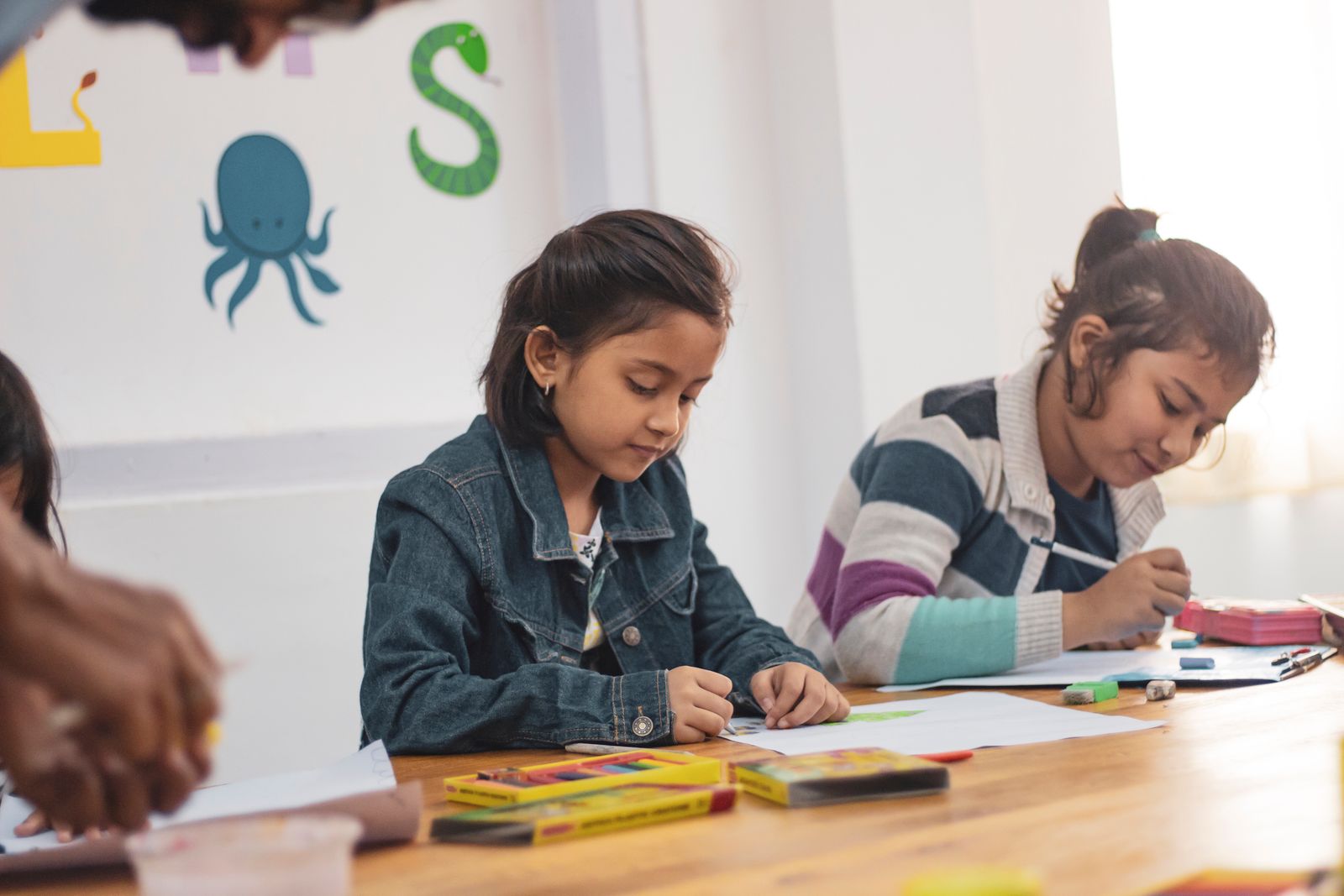
Four things parents notice within a year
The abacus itself is only the first year. After that the child pictures it in the head and moves the beads with the mind. That is the real skill.
Concentration
A child doing ten-row sums in the head cannot think about anything else. Teachers tell us the same child sits still in school too.
Speed with accuracy
By Level 4 most children add fifteen two-digit numbers in under thirty seconds without paper, and get it right. School maths stops being a fear.
Memory and listening
Dictation sums train the child to hold numbers in the head while listening. Spelling and tables improve as a side effect.
Confidence
Every level ends with a certificate. Every year there is a competition hall. Finishing a paper on a stage at seven is something a child keeps.
What your child can do at the end of each level
Each level takes three to four months. There is a written and a speed test at the end, with a certificate from our affiliating body. The full course takes about two and a half years.
- 1
Level 1Knows the beads
Adds and subtracts single digits on the abacus. Holds it correctly, moves beads with the right fingers.
- 2
Level 2Two-digit sums
Uses the five and ten formulas to add and subtract two-digit numbers on the abacus.
- 3
Level 3Eyes closed
Pictures the abacus and does two-digit sums without touching it. First mental arithmetic.
- 4
Level 43-digit, in the head
Adds and subtracts three-digit numbers mentally. Multiplies two digits by one. Sits a first competition.
- 5
Level 5Division
Divides on the abacus and mentally. Understands decimals. Ten-row mental sums.
- 6
Level 6Mixed sums
All four operations mixed in one paper. Negative numbers. Two-digit by two-digit mentally.
- 7
Level 7Decimals and percent
Decimal multiplication and division, percentages, fifteen-row dictation sums.
- 8
Level 8Grand level
Full speed and accuracy, square roots. Eligible for the national grand competition.
A child can start at any age from 5 to 14. Older children move through Levels 1 to 3 faster and sit in a separate batch so nobody feels out of place.
One plain fee card
Same classes, same teacher, whichever way you pay. No admission fee. Leave with two weeks' notice.
Quarterly
₹2,550 / 3 months
24 classes, paid once a quarter
Save ₹150Start quarterlyIncluded in every plan
- Two one-hour classes a week, batch of eight
- Practice book for the level and weekly homework sheets
- Monthly progress note to parents on WhatsApp
- Make-up class in another batch if one is missed
Paid once: starter kit ₹1,200 (17-rod abacus, Level 1 book, bag). Level exam and certificate ₹300 per level (free on the yearly plan). Sibling: ₹150 off the second child each month.
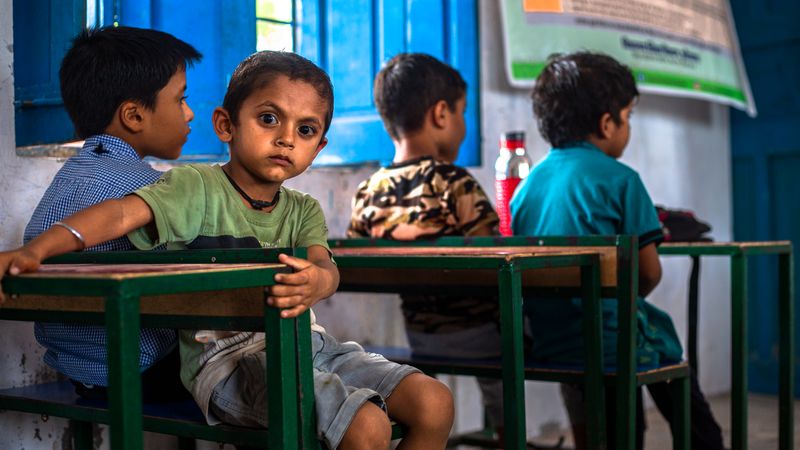
Forty-five minutes, the same shape every time
Children settle faster when they know what comes next. Every class follows this order.
- 0-5 minFlash cards
Quick number pictures to wake the mind up. Children call out the answers together.
- 5-20 minNew lesson on the abacus
The teacher shows one new idea on the big abacus. Children copy it on their own, one sum at a time.
- 20-35 minPractice sheet
Twenty sums at the child's own pace. The teacher walks the room and corrects fingers, not just answers.
- 35-42 minMental round
Abacus goes into the bag. Dictation sums, eyes closed, answers written down.
- 42-45 minHomework and star
One page for home. A star in the book for effort, not for marks.
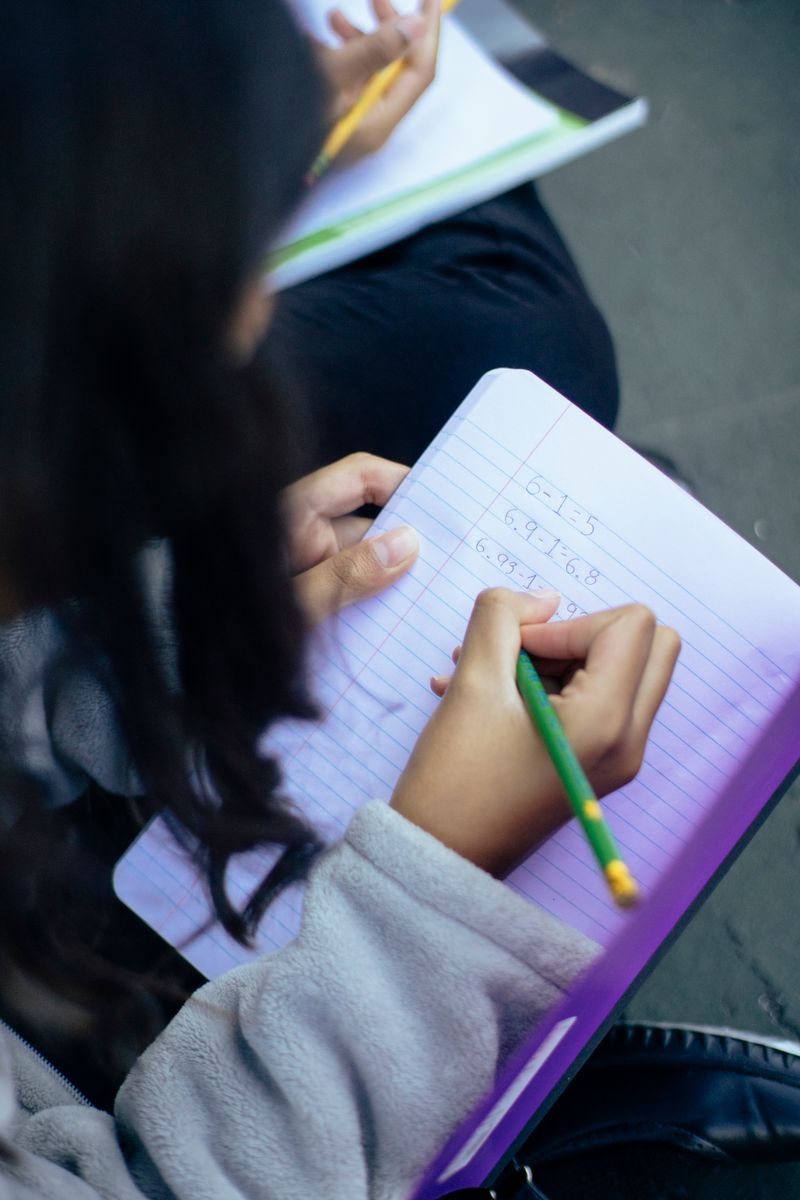
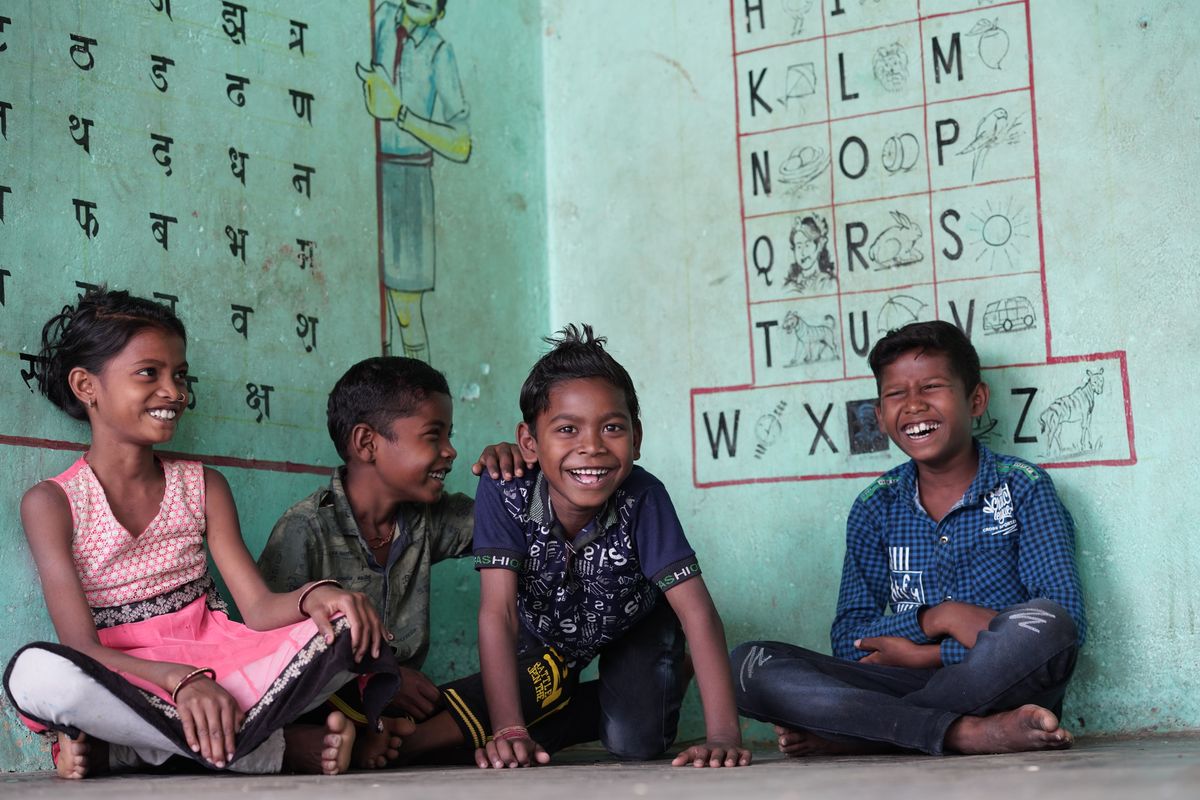
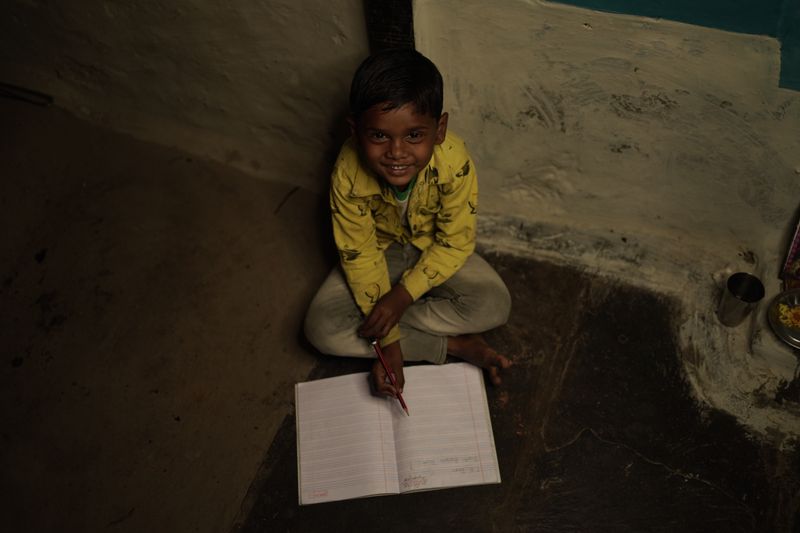
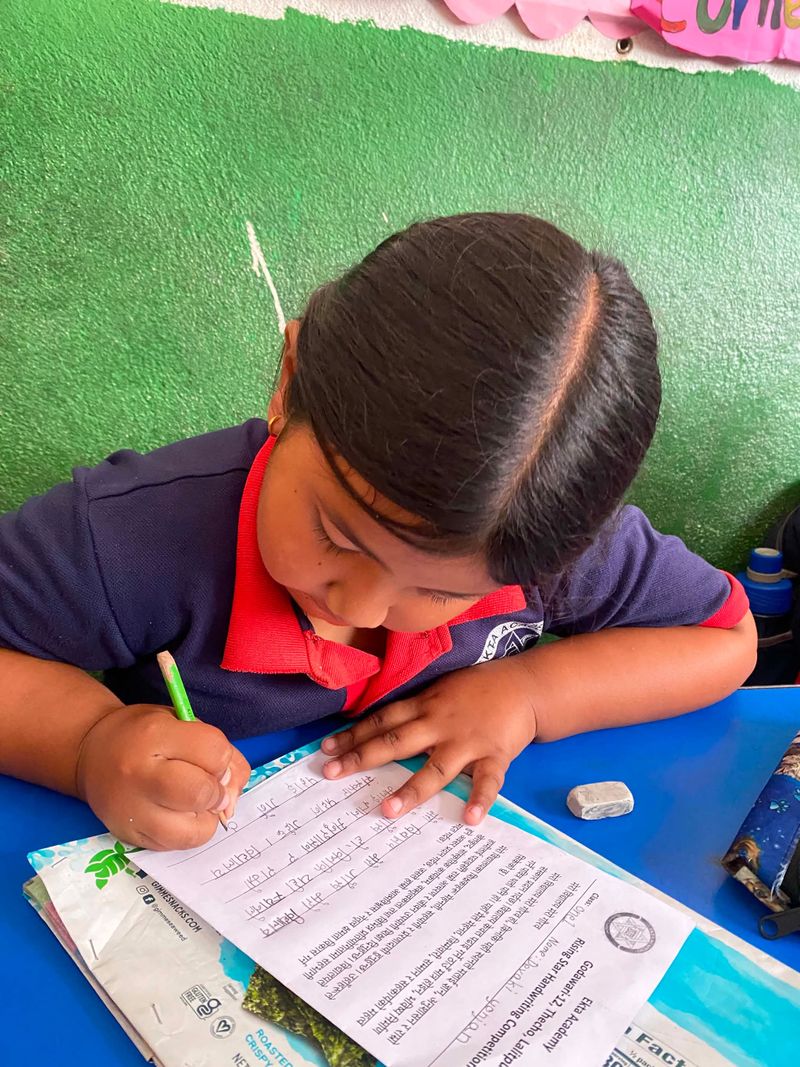
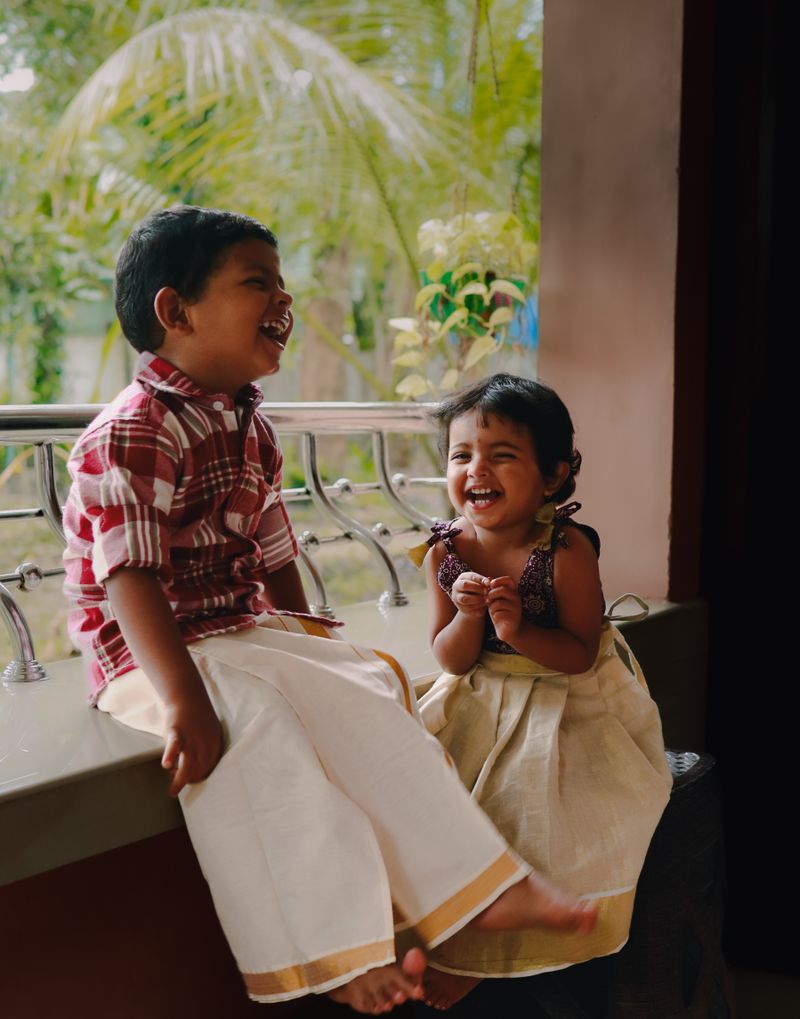
Our children, in and out of class



Two honest notes from parents
My daughter counted on her fingers in Class 2. A year later her class teacher asked me what had changed. Now she does the shop bill before the shopkeeper does.
At the demo they told us our son was too young and to come back in six months. We did. That honesty is why we have stayed four years.
Questions we are asked at every demo
What is the right age to start?
Five to seven is ideal. The child should know numbers 1 to 100 and be able to sit for 45 minutes. We take children up to 14; older children join a separate batch and move faster.
Will it clash with school maths?
No. Abacus gives the answer; school teaches the method. Children write school sums the school's way and use the mental picture to check. Teachers usually notice only that the child is faster.
How much practice at home?
Ten minutes a day from the practice book. Not more. Parents do not need to know abacus to help; the book has answers at the back.
What if my child misses a class?
Tell us and the child sits in another batch the same week. If a whole month is missed for illness or travel, we pause the fee for that month.
Is the certificate recognised?
Level certificates come from our affiliating abacus association and are accepted at state and national competitions. They are not a school-board qualification and we do not claim they are.
Can we try before paying?
Yes. The Saturday demo class is free and parents sit in. If the child enjoys it, you join from the next week. If we think the child is too young, we say so and ask you to come back later.
Second floor, Jessore Road, Lake Town
Address
Sankhya Abacus Academy
8/3 Jessore Road, Lake Town
Kolkata 700089
Opposite the Lake Town Block A bus stop. Lift available.
Class hours
Call or message
+91 98042 43159
WhatsApp is best during class hours.

Bring your child this Saturday at 10
Send the child's name and age on WhatsApp. We reply with the next Saturday that has a seat.